When you’re planning a commercial build or renovation, flooring is one of those decisions that can quietly make or break your space. It affects how your business looks, how easy it is to maintain, and how well it holds up over time. If you’re currently searching for a commercial contractor, there’s a good chance you’ve come across tile flooring as an option—and for good reason.
Commercial tile flooring has been a go-to choice for years across industries, and it’s not just because it looks clean and professional. It’s because it works.
What Is Commercial Tile Flooring?
Commercial tile flooring is designed specifically for high-traffic environments like offices, restaurants, retail stores, medical facilities, and industrial spaces. Unlike residential tile, it’s built to take a beating—constant foot traffic, equipment, spills, and frequent cleaning.
You’ll typically see materials like porcelain, ceramic, quarry tile, natural stone, and even commercial-grade luxury vinyl tile (LVT). Each one has its place depending on the environment, but they all share one thing in common: they’re made to last.
Built for High-Traffic Spaces
Let’s be honest—commercial floors don’t get a break. Between customers, employees, deliveries, and everything in between, your flooring is under constant stress.
That’s where tile really stands out. Porcelain and ceramic tiles, in particular, are incredibly tough. They resist scratches, chips, stains, and moisture better than most other flooring options. In busy environments like retail stores or restaurants, that kind of durability isn’t just nice to have—it’s essential.
When tile is installed properly, it can last for decades without needing major repairs. That’s a big deal when you’re thinking about long-term costs.
Easy to Clean (and Keep Clean)
If you’ve ever dealt with high-maintenance flooring, you know how quickly it becomes a problem. Carpet stains, worn-out finishes, constant upkeep—it all adds up.
Tile is about as low-maintenance as it gets. Regular sweeping and occasional mopping are usually all it takes to keep it looking good. It doesn’t trap dust, allergens, or odors the way carpet does, which makes it a solid choice for businesses that need to maintain a clean environment—think healthcare offices, restaurants, or schools.
And when spills happen (because they will), tile handles them without much fuss.
Long-Term Cost Savings
Tile isn’t always the cheapest option upfront, and that’s often where people hesitate. But if you look at the bigger picture, it tends to save money over time.
Here’s why: it lasts longer, needs fewer repairs, and doesn’t require specialized cleaning or frequent replacement. When you factor in those savings, tile often ends up being one of the most cost-effective choices you can make.
A good commercial contractor will usually walk you through this and help you weigh upfront costs against long-term value.
Design That Doesn’t Feel Generic
A lot of people still think of tile as plain or overly industrial, but that’s not really the case anymore. There are tons of design options available now, and some of them are surprisingly high-end.
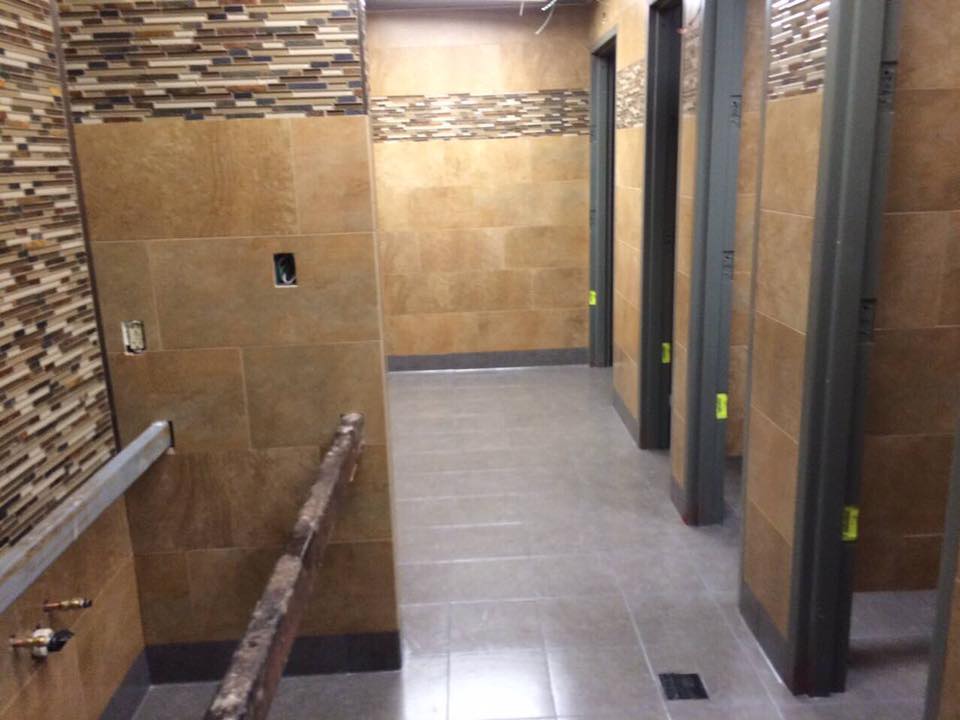
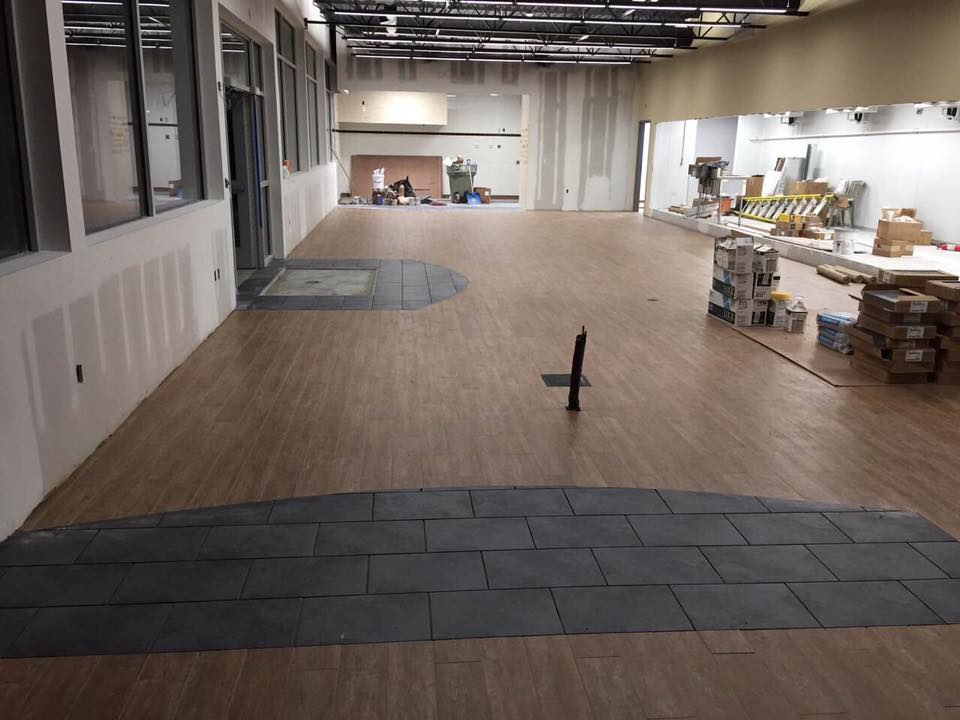
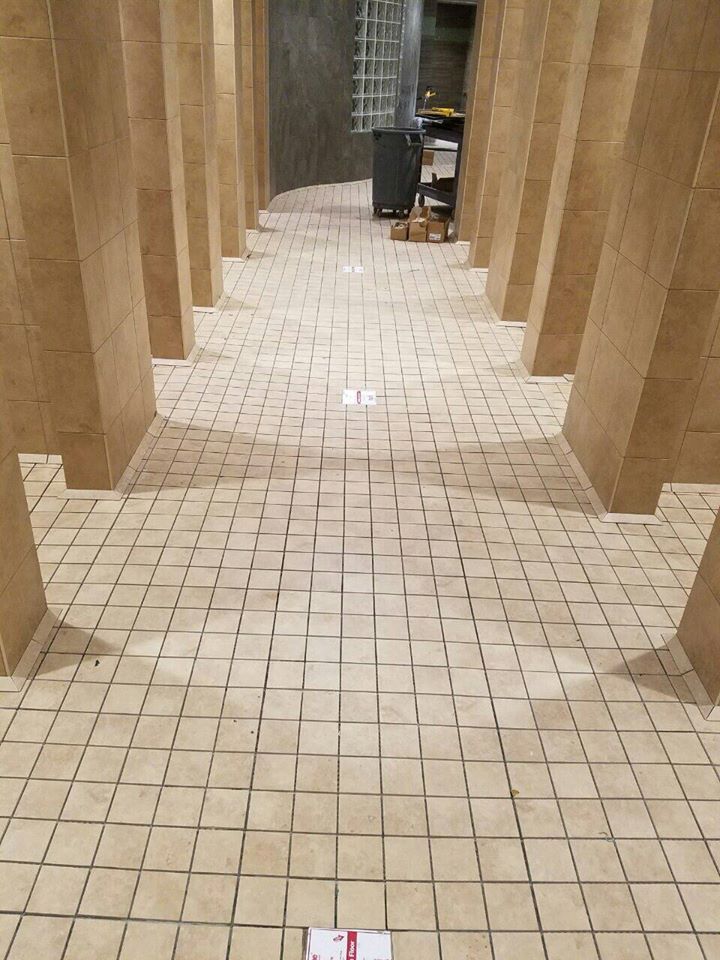
You can go with wood-look tile if you want something warm and inviting, or stone-look finishes for a more upscale feel. Large-format tiles are popular in modern office spaces, and custom patterns can add a unique touch to retail or hospitality environments.
In other words, you don’t have to sacrifice style to get durability.
Safety Matters More Than You Think
Flooring plays a bigger role in safety than most people realize. Slips and falls are a real concern in commercial settings, especially in places where moisture or spills are common.
The good news is that many commercial tiles are designed with safety in mind. Slip-resistant finishes, textured surfaces, and proper installation can all help reduce the risk of accidents.
If you’re working with an experienced commercial contractor, they’ll help you choose materials that meet safety standards for your specific type of business.
Works Across Almost Any Industry
One of the reasons tile is so widely used is because it adapts well to different environments.
Retail stores benefit from its durability and clean look. Restaurants rely on it for its resistance to spills and easy cleanup. Healthcare facilities choose tile because it supports strict sanitation standards. Offices use it for a polished, professional appearance. Even industrial spaces use heavy-duty tile for its strength.
It’s one of those rare materials that fits just about anywhere.
Why Installation Matters So Much
Even the best tile won’t perform the way it should if it’s installed poorly. This is where hiring the right commercial contractor really makes a difference.
Proper installation involves more than just laying tile. The subfloor needs to be prepared correctly, tiles need to be aligned and spaced properly, and the right grout and sealants need to be used. If any of those steps are rushed or skipped, you could end up with cracking, uneven surfaces, or water damage down the line.
It’s not the place to cut corners.
A More Sustainable Option
If sustainability is on your radar, tile has some advantages there too. Many tiles are made from natural materials, and their long lifespan means less waste over time.
There are also low-VOC options available, which can help improve indoor air quality—something more businesses are paying attention to now.
It’s not always the first reason people choose tile, but it’s definitely a bonus.
Common Questions People Have
Is tile too hard to stand on all day?
It can be, depending on the setting. That’s why a lot of businesses use anti-fatigue mats in areas where employees are standing for long periods.
Can it handle heavy equipment?
Yes, especially with materials like porcelain or quarry tile. These are built for tough environments.
What about grout getting dirty?
Newer grout options are much more resistant to stains and moisture than they used to be. With proper sealing, maintenance is pretty manageable.
How to Choose the Right Commercial Contractor
If you’re in the process of hiring a commercial contractor, don’t just go with the first option you find. Look for someone with real experience in commercial tile projects.
Ask about past work, check reviews, and make sure they understand the specific needs of your space. A good contractor won’t just install the tile—they’ll help you choose the right materials and make sure everything is done correctly from start to finish.
Final Thoughts
At the end of the day, commercial tile flooring is popular for a reason. It’s durable, easy to maintain, and flexible enough to match almost any design style. More importantly, it holds up under the kind of daily wear that commercial spaces deal with.
If you’re planning a project and looking for a commercial contractor, tile is definitely worth considering. Done right, it’s a long-term investment that supports your business, not something you’ll have to worry about replacing in a few years.